Admittedly, maintaining a clear chain of thought and an open mind regarding the market's reaction as the new year approaches is a simpler task. This is particularly crucial for active traders who are deeply involved in the market. Conversely, for those focused on long-term investments, a different mindset is necessary. It involves disregarding short-term fluctuations, staying steadfast, and exercising patience.
Last year, I significantly reduced my trading account margin to nearly 50%, bringing it close to a cash position. I am now prepared to allocate new funds based on the trends anticipated in the upcoming year. However, I must acknowledge that I am not yet a seasoned expert, having only five years of experience in the market. Despite this, I find excitement in the unpredictable nature of the market and continue to navigate the game of anticipating future developments.
Before delving into those questions, there are three uncertainties for which I lack answers:
- Does oil have a future?
- Will money flow into the Chinese market?
- What is the Federal Reserve's plan regarding its balance sheet?
Details below:
As observed, the global shift towards renewable energy is evident, especially with the electric vehicle revolution spurred by substantial government support worldwide. Although oil remains extensively utilized in various sectors, the production of electric vehicles and the requisite infrastructure are not yet at a level to entirely replace traditional vehicles. President Biden mentioned last year that oil is projected to persist for the next decade, but investors, known for their proactive stance, may not wait if they perceive an industry as lacking a future. Interestingly, the past two years witnessed significant momentum in many oil stocks. Whether this momentum will continue into 2024 remains a substantial question. The trajectory could be influenced by several factors, including global elections, particularly in the USA. The outcome of the elections, particularly if Trump were to win, might reinvigorate optimism in the oil industry. However, it's crucial to note that this scenario is speculative and contingent on numerous factors.
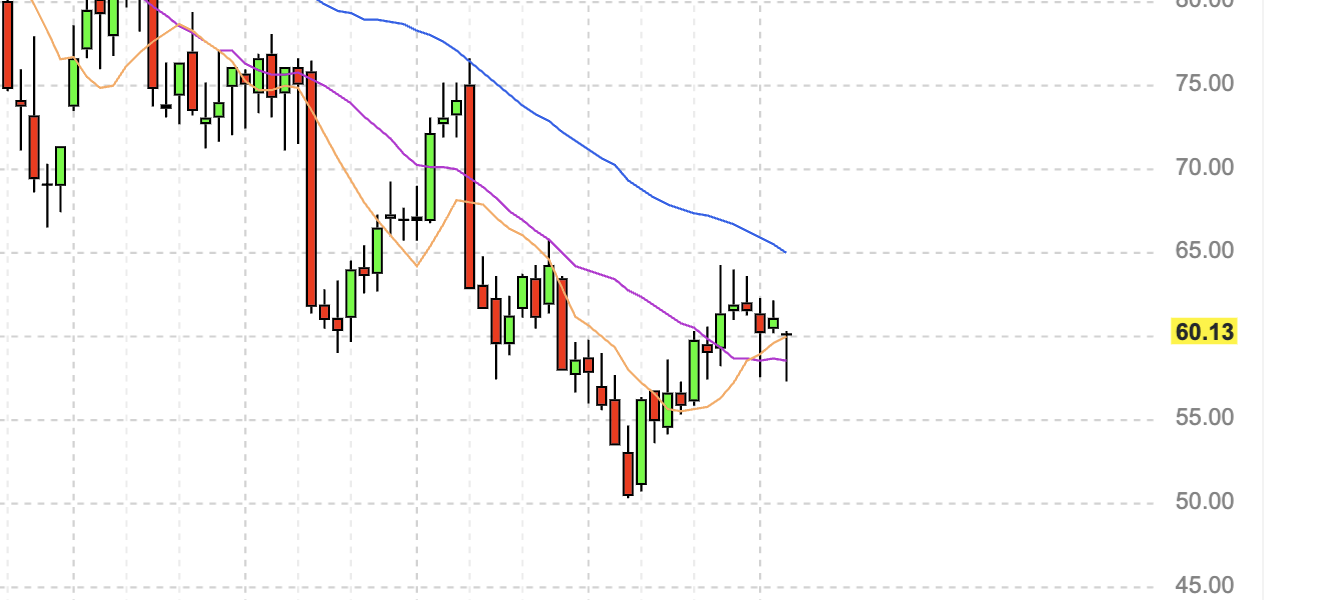
The Chinese market has experienced a substantial correction since early 2021, reaching a point where many investors are eagerly awaiting signs of a potential turnaround. A notable example is Alibaba, the Chinese e-commerce giant, which has seen its revenue soar from $10 billion in 2014 to nearly $130 billion. Despite this impressive growth, its stock price and market capitalization have remained stagnant. Currently, with a profit of $20 billion, Alibaba is trading at a remarkably low P/E ratio of less than 8, indicating significant undervaluation.
However, the prevailing downturn in Chinese stocks is often attributed to external factors, with some suggesting that it may be a consequence of Western scrutiny, possibly linked to the COVID-19 pandemic or concerns about China's economic ascent challenging the USA's position. This situation, seen by some as a form of Western reprimand, has led to suppressed valuations for Chinese companies.
Nevertheless, the sheer scale of China's economic growth and the robust financial performance of companies like Alibaba make them potentially attractive opportunities. As sentiments evolve and perceptions shift, it is anticipated that money will eventually flow back into the Chinese market, driven by the undeniable allure of its substantial economic expansion. The undervalued nature of companies like Alibaba, despite their remarkable growth, might be too compelling for investors to ignore in the long run.
Last but not the least - Fed. In the coming months, the Federal Reserve's decisions will significantly influence the market dynamics. While the market anticipates up to six rate cuts in 2024, the Fed has only officially announced three in their recent meeting. The likely scenario may fall somewhere in between, perhaps around four rate cuts, considering the current low unemployment figures. The Fed is unlikely to rush given the stable employment situation, and the number of rate cuts may be contingent on inflation staying within the 2 to 3% Year over Year range.
The specific number of rate cuts, whether it be three, four, or six, may not have a drastic impact on the market. However, the uncertainty lies in the Fed's approach to its balance sheet. During the COVID-19 pandemic, the Fed's balance sheet ballooned from 3 trillion to 9 trillion due to a substantial injection of funds into the economy. While they have reduced it by one trillion so far, the future trajectory remains uncertain.
The question revolves around whether the Fed will expedite balance sheet reduction in response to significant bond buying activity in the market, potentially aiming to bring it down to 6 trillion. This move would involve withdrawing 2 trillion from the market. The timing and strategy the Fed adopts for this process remain uncertain, and it will be a crucial factor to watch in understanding the broader economic landscape.
Financial Stocks, Big Banks, and FinTech (e.g., PayPal and SoFi):
The potential uninversion of the yield curve due to reduced rate cuts is likely to benefit financial stocks, especially big banks. Additionally, FinTech companies, like PayPal and SoFi, could see positive impacts from these market dynamics.
Biotech Stocks:
Despite the usual rhetoric on reducing drug prices during election years, the chart patterns of biotech stocks suggest a decade-long base, indicating a potentially safe sector to invest in.
Material Stocks:
Material stocks, which have faced declines due to a reduction in inflation, may witness increased activity in the second half of the year. This could be driven by a resurgence in commodity buying, excluding oil.
Tech Sectors (Cloud, Chips, and Cybersecurity):
Companies in the technology sector, especially those involved in cloud computing, chip manufacturing, and cybersecurity, may continue to see momentum. In an environment of decreasing inflation, companies capable of maintaining high prices are likely to sustain growth.
Cryptocurrency:
The crypto market is anticipated to maintain its momentum, with the possibility of Bitcoin revisiting its all-time high. This aligns with the broader trend of increasing interest and adoption of cryptocurrencies.Small Caps and Bonds: Small caps (IWM) have also formed long base of going nowhere for last five years and with reduction in interest rate and small caps having plenty of regional banks in it - most likely will outperform major indexes such as SPY, QQQ.
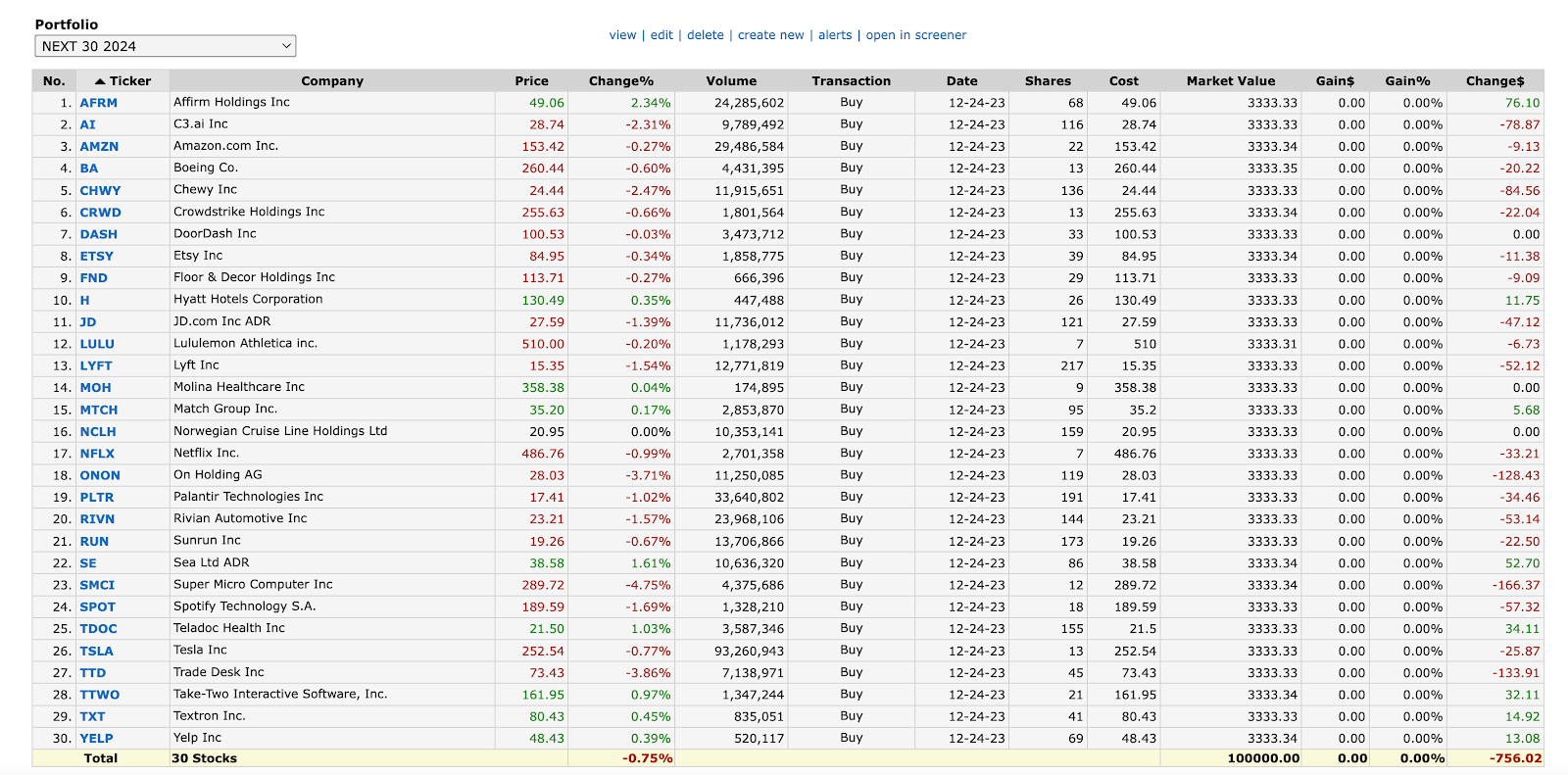
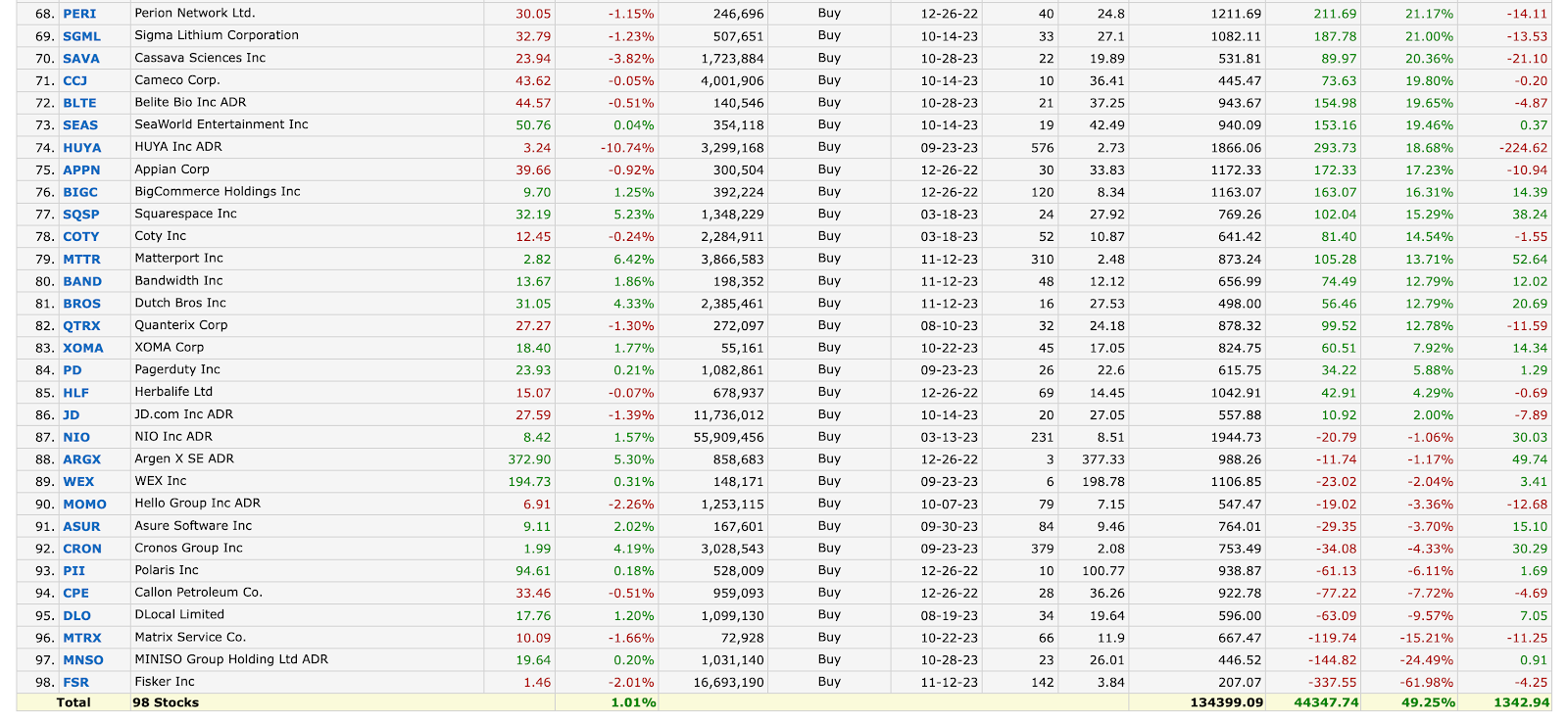
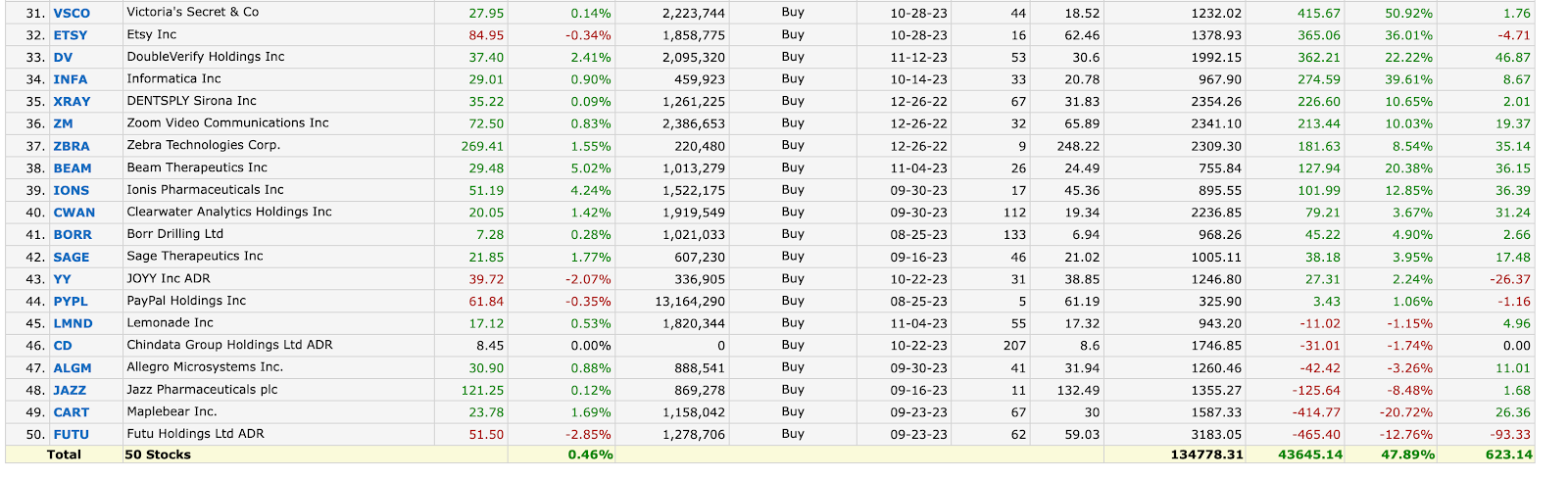
My detail lists of stock picks are listed here: https://viralpatel15.blogspot.com/2023/12/2024-stocks-picks.html